Information
Landmark: Old FortCity: Zanzibar
Country: Tanzania
Continent: Africa
Old Fort, Zanzibar, Tanzania, Africa
Overview
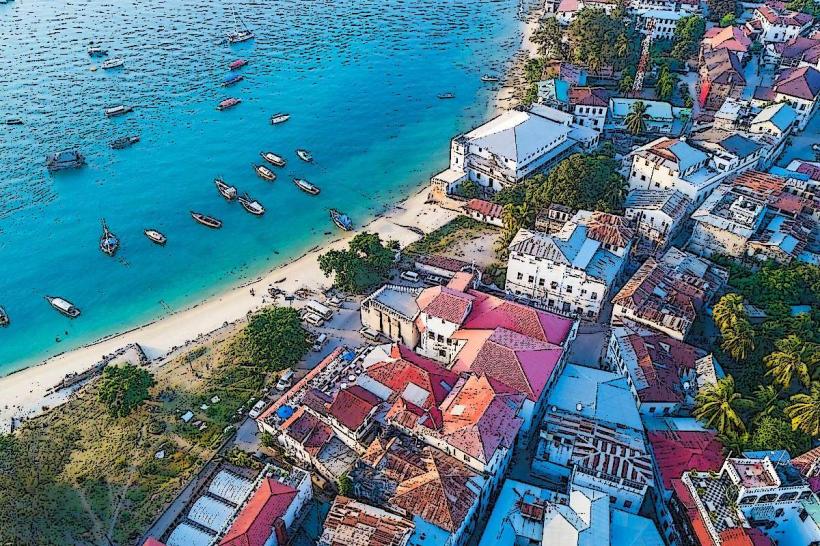
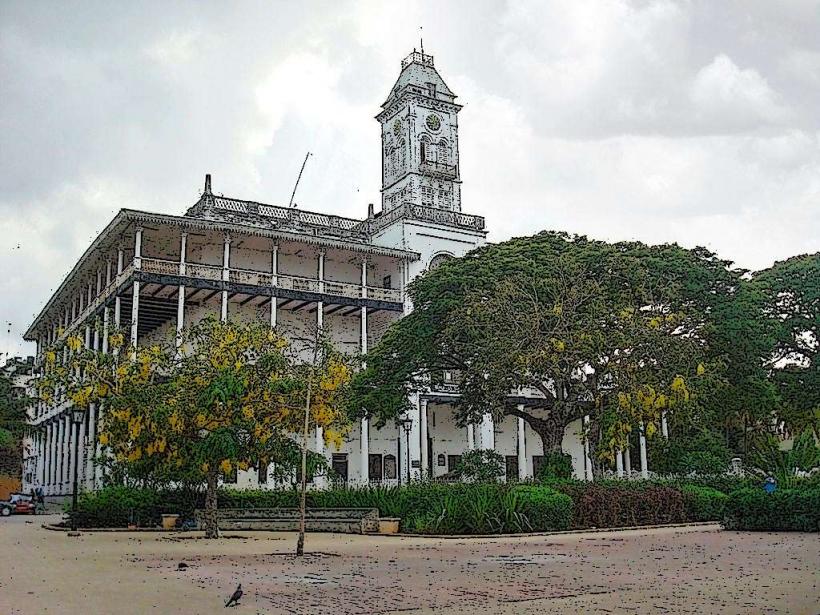
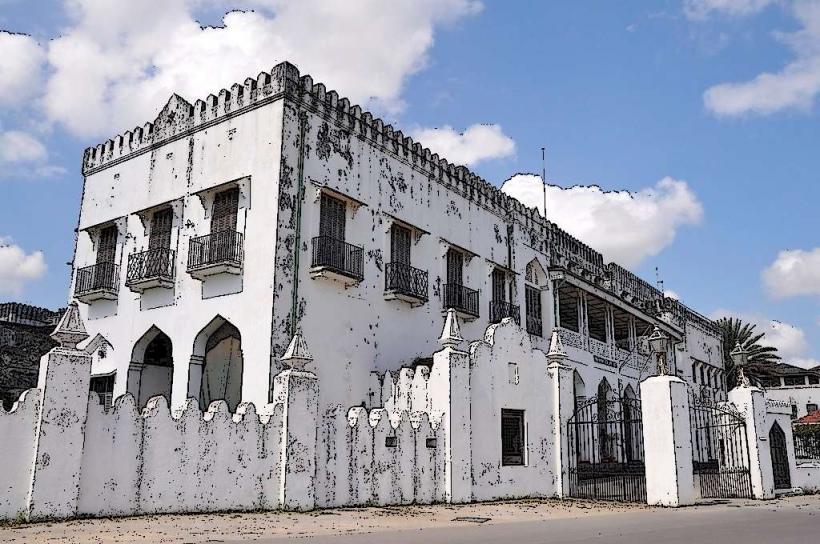
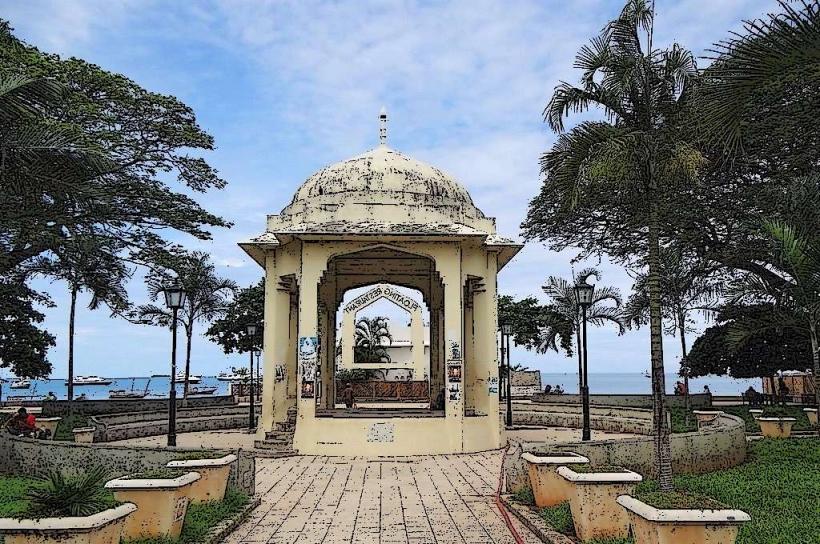
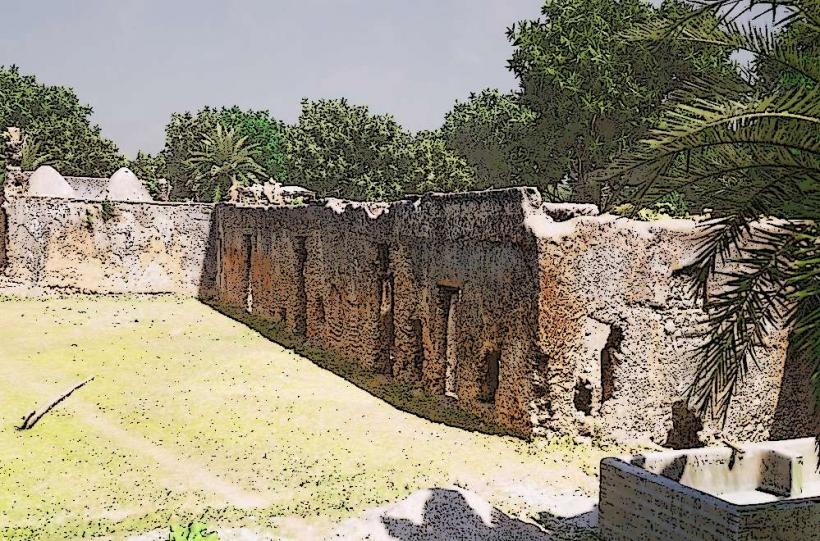
The timeworn Fort, or Ngome Kongwe in Swahili, stands in Stone Town as one of Zanzibar’s most pivotal historic sites, its weathered stone walls holding centuries of stories, and built in the 16th century, the structure stands as a treasured piece of the island’s past, blending weathered stone walls of historic defenses with echoes of colonial history and the rhythms of local culture.Over the centuries, the fort shifted from guarding its stone walls with cannons to hosting music, markets, and radiant banners fluttering in the breeze, after that the heritage Fort, or Ngome Kongwe, stands in Stone Town, Zanzibar City, on Zanzibar Island, Tanzania.Built between 1698 and 1701 by Omani Arabs to guard against Portuguese attacks, its thick, weathered walls show Arab, Persian, and European influences, equally important today, it hosts live performances, art shows, and bustling craft markets, with the scent of fresh spices drifting in from nearby stalls.Visitors usually pay a minute entry fee of about $2–3, and doors are open daily from 9 a.m, also to 6 p.m. After driving the Portuguese out in 1698, Omani Arabs built the ancient Fort to guard their innovative hold on Zanzibar, where sea air still carried the scent of cloves; the Portuguese had ruled the island since the early 1500s until that decisive campaign ended their reign, on top of that built to guard the island from any future Portuguese attempts to reclaim it, the fort stood on the coastline, its thick coral walls and slit-like windows ready to fend off attacks from both land and sea.Under Omani rule, Zanzibar thrived as a hub for the spice and slave trades, and the fort became both a vital shield for the Sultanate and a stark reminder of the Sultan’s power over the island and its people, to boot the antique Fort once guarded the Sultan’s treasure and the bustling Indian Ocean trade routes, its thick stone walls holding back more than just the sea breeze, moderately By the late 1800s, as British influence tightened over Zanzibar, it no longer served a military role, also after the 1964 revolution toppled the Sultanate, the fort stood as a stark emblem of the island’s shift into a republic.It remained a vital part of the island’s cultural identity, its weathered stone walls and arched gateways telling vintage stories, in turn the timeworn Fort stands as a striking piece of Omani Sultanate military design, blending Arab grace, Persian detail, and European strength.Not surprisingly, The number one sat alone, neat and sharp, like a single pencil standing on end, subsequently the fort’s thick stone walls rise high, built to take the brunt of an assault and keep the town protected.Thick coral-stone walls rise around the fort, pierced by narrow windows where defenders once aimed arrows or muskets without exposing themselves, therefore inside, its layout folds around barracks, storerooms, and sturdy bastions that served as both living quarters and armories stacked with powder and shot.A broad courtyard opens in the center, once echoing with the stomp of boots during drills or the murmur of ceremonies, and shaded by an arched arcade that trapped cool air against the tropical heat, also the main gate towers at the entrance, its massive carved wooden doors still holding the weight of centuries.The fort’s gate served as the heart of its defenses, the main route for soldiers marching in and carts loaded with supplies, in conjunction with perched on Stone Town’s waterfront, the antique Fort commands the horizon, its high walls catching the salt wind off the sea.From its perch, defenders once watched for enemies creeping over the hills or sailing in with the tide, at the same time today, the antique Fort buzzes with life as a cultural center, hosting art shows, live performances, and bustling markets.They’ve transformed it to showcase Zanzibar’s vibrant cultural life, yet the worn stone walls still hold its historic weight, as a result number one.The fort hosts vibrant cultural performances all year, from lively local theater to the steady beat of traditional drums and graceful dance events, in conjunction with at the classical Fort, you might hear the smooth melodies of Taarab music drifting through the air, catch the pulse of live drumming, or watch a local theater troupe bring Zanzibar’s heritage to life.It appears, The fort comes alive during cultural festivals like Sauti za Busara and the Zanzibar International Film Festival, in conjunction with inside and around its walls, a bustling market offers woven baskets, carved wooden figurines, beadwork, jewelry, and other handmade treasures-perfect for souvenirs that support local artisans.As it happens, Art exhibitions here showcase both local and international talent, with paintings, photographs, sculptures, and installations celebrating African and Swahili culture, simultaneously nearby, you can explore the House of Wonders with its rich museum displays, stroll through the seaside Forodhani Gardens for evening street food and ocean views, or visit the Anglican Cathedral of Christ Church, built on the haunting site of the ancient slave market, almost The ancient Fort sits right on Stone Town’s seafront, close to these iconic landmarks, what’s more most major attractions in Stone Town are just a short trek away, and you can easily reach the fort on foot from almost anywhere in town-past spice stalls and narrow, sunlit alleys, slightly You can reach the timeworn Fort easily by taxi or local transport, and once inside, its open courtyards and clear signs make it simple to explore, to boot step through the gates and you’ll find echoes of Zanzibar’s military past, shaped by encounters with colonial powers.Truthfully, Today, the fort buzzes with life-musicians play beneath sunlit arches, artists display their work, and craft stalls brim with color, as well as its striking mix of Swahili and military architecture draws history and design lovers alike, while the warm, communal energy makes it a area where visitors and locals naturally mingle.
Author: Tourist Landmarks
Date: 2025-09-13